

Karnak Temple Luxor is one of the most extraordinary archaeological treasures on earth, a place that continues to attract travelers who want to understand the power, spirituality, and architectural brilliance of ancient Egypt. Whether you are visiting Egypt for the first time or returning to explore its historic wonders again, the Temple of Karnak stands as a timeless masterpiece that explains thousands of years of history, religion, and culture. As the heart of Karnak Egypt, this massive temple complex is one of the most visited sites in the country, and it remains a central point for travelers who want to experience ancient Egyptian civilization in the most authentic way. In this comprehensive travel guide, you will learn everything you need to know: Karnak Temple history, important sections inside the complex, things to see in Karnak Temple, best time to visit Karnak Temple, Karnak Temple opening hours, and helpful tips for visitors. As your trusted travel partner, Travel Connection Tours offers the most organized and traveler-friendly Karnak Temple tours, ensuring your visit becomes smooth, enjoyable, and rich with knowledge.
What Is Karnak Temple Luxor? A Complete Overview of the Ancient Wonder
Karnak Temple Luxor is not just a single structure—it is a wide and extraordinary archaeological zone known as the Karnak temple complex, one of the largest religious complexes ever built in human history. Constructed over more than 2,000 years by numerous pharaohs, this site was the main religious center of ancient Egypt, dedicated primarily to the powerful god Amun Ra. While exploring Karnak Egypt, visitors quickly realize that the size, detail, and incredible architectural engineering make it one of the most impressive ancient sites in the world.
The Temple of Karnak includes temples, chapels, pylons, sacred lakes, shrines, and the famous Great Hypostyle Hall, making the complex nearly a historical city by itself. When travelers wonder how big is Karnak Temple, the answer surprises everyone—the site covers more than 200 acres, making it larger than most modern museum districts. Every corner tells an ancient story, from processions and rituals to pharaohs who expanded the complex during their rule. This is why the site holds such monumental importance in Karnak Temple ancient Egypt history.
Travelers visiting the site often search for popular search variations such as “Karnak vs Luxor Temple” to compare the two major structures in Luxor. Although both are magnificent, Karnak Temple Luxor is far larger, more diverse, and historically richer. If you want to immerse yourself in ancient Egypt’s most powerful religious center, Karnak Temple should be at the top of your list.
With centuries of additions and restorations, the temple stands today as a perfect destination for travelers who enjoy culture, archaeology, ancient mythology, and grand architecture. Whether you join a private guided tour or visit independently, the site provides clear pathways, descriptive panels, and numerous areas to explore. Travel Connection Tours organizes detailed and well-structured visits to ensure travelers discover every highlight, giving deeper insight and allowing more time to enjoy the atmosphere of the temple.
The History of Karnak Temple Luxor – Understanding Egypt’s Greatest Sacred Complex
The Karnak Temple history takes you back more than 4,000 years, beginning during the Middle Kingdom and continuing through the New Kingdom when the complex reached its highest glory. Dedicated mainly to the worship of Amun Ra, Karnak Temple became the most influential spiritual center in ancient Egypt. Pharaohs from different eras contributed to the temple’s expansion, each leaving their own artistic and architectural touch. Famous rulers like Hatshepsut, Seti I, Ramses II, and Thutmose III built monumental structures, statues, obelisks, and new sections that transformed the Temple of Karnak into the grand sanctuary we see today.
One of the most fascinating Karnak Temple facts is that it was considered the house of the gods, especially Amun Ra, the king of the gods. Priests performed daily rituals inside the sacred chambers, and the pharaohs participated in major festivals such as the Opet Festival, a celebrated event that linked the political and religious roles of kingship. The festival connected the Temple of Karnak with Luxor Temple through a ceremonial avenue, showing how closely the two temples were related.
As the capital of religious authority, Karnak Egypt was not only a place of worship but also a center for astronomical observations, political decisions, and offerings to the gods. The temple’s alignment, carvings, and inscriptions reveal the advanced knowledge of ancient Egyptians in astronomy, mathematics, and architectural design. Travelers visiting today can still admire these details carved deeply into stone.
Over the centuries, invasions, climate changes, and natural erosion caused parts of the temple to fall into ruins, but much of the complex remains extraordinarily well-preserved. Modern restoration projects continue to uncover new statues, halls, and inscriptions, which is why every visit to Karnak Temple Luxor feels fresh and full of discovery. When exploring with Travel Connection Tours, travelers can benefit from expert guides who explain the changing history of the complex in an engaging and accessible way, making the experience even richer.
Architectural Masterpieces Inside the Karnak Temple Complex
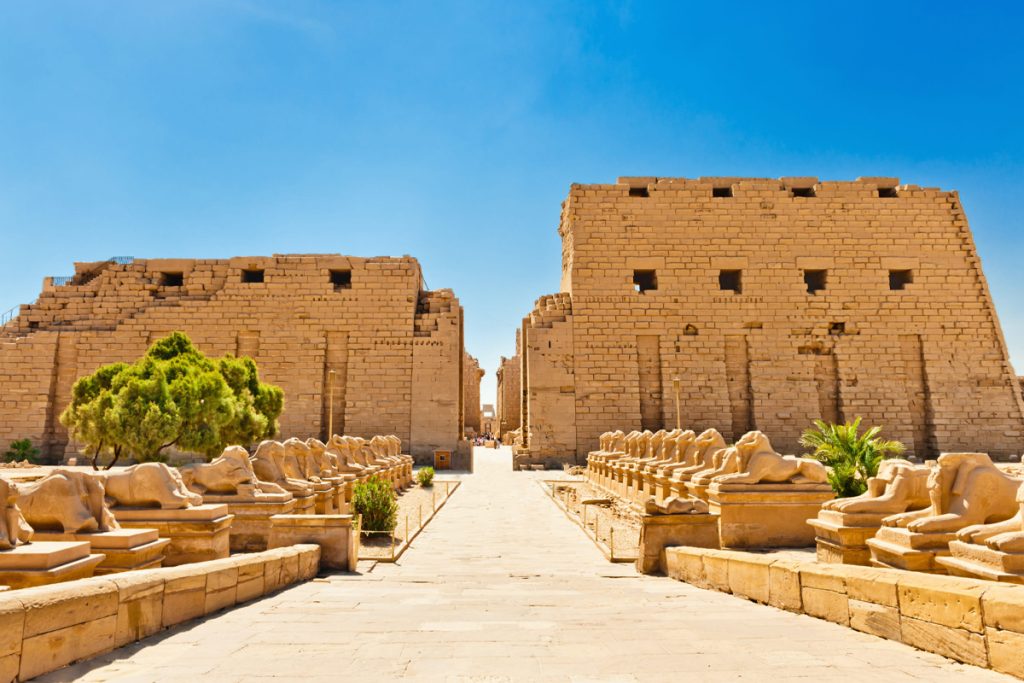
The architectural beauty of the Karnak temple complex is one of the main reasons millions of travelers visit each year. The structures inside the temple display exceptional precision, artistic vision, and engineering techniques that still inspire architects today. Visitors often start their journey at the First Pylon, the grand entrance that immediately reveals the scale and power of the complex.
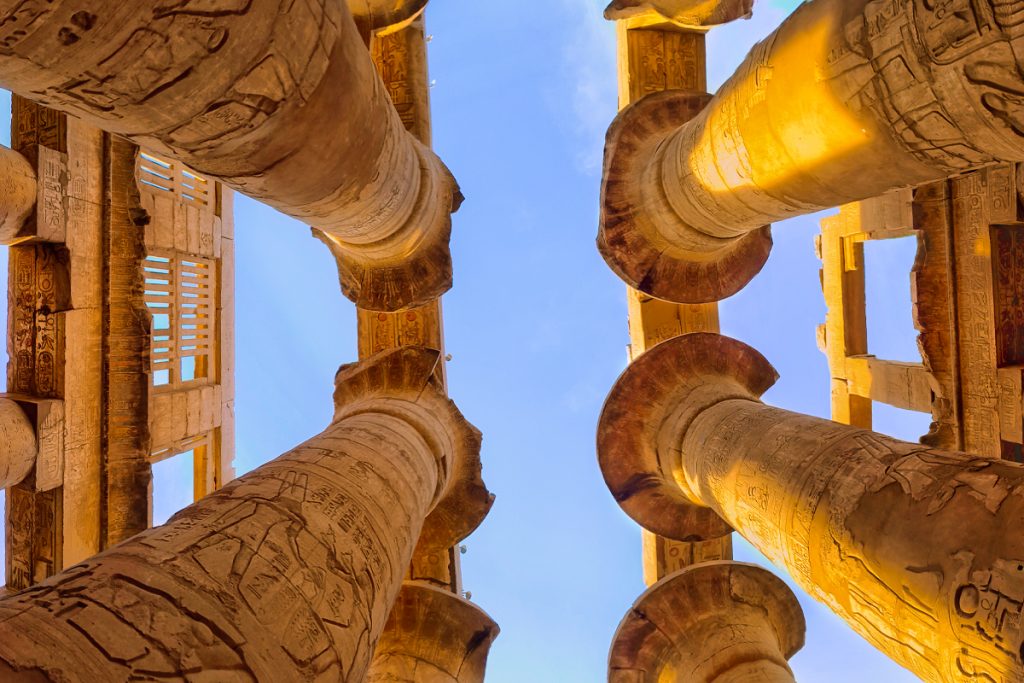
One of the most popular sections is the Great Hypostyle Hall, which contains 134 gigantic columns arranged in rows, creating one of the most iconic architectural scenes in the world. These columns rise toward the sky like giant stone trees, covered in inscriptions that narrate royal achievements and religious rituals. Travelers often describe this hall as one of the highlights of their Egypt journey, making it an essential part of any Karnak Temple travel guide.
Another area inside the complex is the Precinct of Amun Ra, the heart of Karnak Egypt. This section is a combination of courtyards, shrines, obelisks, and chambers used by priests and pharaohs. The enormous obelisks of Hatshepsut and Thutmose I can be found here, standing proudly and reflecting ancient Egyptian engineering mastery. Fans of archaeological architecture also enjoy the Sacred Lake, which played an important role in purification rituals and priestly activities.
Visitors who enjoy unique and lesser-known sites should explore the Karnak Open Air Museum, a beautifully organized area inside the complex that displays reconstructed temples, statues, and fragments recovered during excavations. The museum helps travelers visualize how different structures originally looked when fully intact.
The architecture of Amun Ra Karnak Temple shows advanced planning and symbolic alignment with the sun, stars, and cosmic cycles. Every stone, statue, and chamber reflects purposeful design linked to ancient beliefs and royal authority. Travel Connection Tours provides specialized guided tours that highlight these architectural features in simple explanations for travelers, allowing everyone to appreciate the brilliance of ancient Egyptian artisans and architects.
Things to See in Karnak Temple – A Traveler’s Guide Through the Highlights
When exploring things to see in Karnak Temple, travelers will find an enormous list of top sections, each carrying its own story, design style, and historical function. The site is full of remarkable structures that reflect religious rituals, royal power, and ancient creativity. One of the first places travelers encounter is the Avenue of Sphinxes, a pathway lined with ram-headed statues that once connected Karnak Temple Luxor to Luxor Temple. This avenue symbolizes divine protection and guides visitors toward the majestic entrance of the complex.
The Great Hypostyle Hall is unquestionably one of the must-see attractions. Its towering columns decorated with detailed hieroglyphs create a breathtaking scene, especially in the early morning or late afternoon when the sunlight enhances the carvings. Many travelers find themselves spending long periods taking photos and exploring the inscriptions that cover the columns from top to bottom.
Another highlight is the Sanctuary of Amun Ra, one of the most sacred spots in the temple. This inner chamber was reserved for priests and high officials, but today travelers can visit and witness the heart of spiritual life in ancient Egypt. The obelisks of Hatshepsut and Thutmose I remain among the most photographed features inside the complex because of their enormous size and precise inscriptions.
Travelers should also explore the Sacred Lake, a peaceful and picturesque spot that gives a deeper understanding of purification rituals practiced in Karnak Temple ancient Egypt. The Reflecting Lake offers great photo opportunities and a refreshing atmosphere inside the temple.
For visitors who enjoy archaeological discoveries, the Karnak Open Air Museum is a treasure. It presents reconstructed chapels, rare statues, and blocks that were once part of various sections before restoration. This museum provides educational insights into how archaeologists piece together Egypt’s long history.
The temple is so large that a complete visit can take several hours. Joining a guided experience with Travel Connection Tours ensures you do not miss any essential monuments and allows you to explore each section with knowledge and comfort.
Practical Information: Tickets, Opening Hours, Best Time to Visit, and Visitor Tips
When planning your trip to Karnak Temple Luxor, it is important to understand practical details that improve your experience. Karnak Temple tickets can be purchased at the entrance, and pricing may vary depending on age or additional activities such as the evening show. For travelers who want a smoother experience, Travel Connection Tours can arrange your tickets in advance and include them in your tour package.
Understanding the Karnak Temple opening hours is essential for planning your day. Generally, the complex opens early in the morning and closes around sunset, but hours may extend during peak seasons. Early morning visits are highly recommended because the temperature is pleasant, and the light is perfect for photography. Afternoon visits can also be enjoyable, especially for travelers who prefer quieter surroundings.
One of the most common questions asked by visitors is the best time to visit Karnak Temple. The ideal period is from October to April, when the weather is cooler and comfortable for walking through the massive complex. However, even during warmer months, early morning visits remain enjoyable.
Visitors often love attending the Karnak Temple light and sound show, an evening performance that uses narration, lights, and sound effects to tell the story of ancient Egypt and the history of the temple. This show transforms the complex into a magical night experience and is ideal for travelers who want a deeper connection with the ancient atmosphere.
If you are comparing Karnak vs Luxor Temple, remember that both are close to each other, and you can visit both in the same day. Karnak Temple is larger and more complex, while Luxor Temple is known for its elegant structure and night lighting.
Helpful Karnak Temple tips for visitors include wearing comfortable shoes, drinking plenty of water, and bringing a hat and sunscreen during hot months. Hiring a guide adds significant value to your visit, as the temple is full of historical layers that become more meaningful with expert explanations. Travel Connection Tours provides professional guides who make the journey informative, enjoyable, and perfectly tailored to travelers’ interests.
Why Travelers Should Visit Karnak Temple Luxor with Travel Connection Tours
Choosing the right travel partner is essential for making the most of your trip. For travelers who want a smooth, well-organized, and enriching experience, Travel Connection Tours stands as the best travel agency in Egypt. With extensive experience in organizing Karnak Temple tours, we ensure visitors explore every important corner of the complex with ease and comfort. Our guided tours include transportation, tickets, professional Egyptologists, and optional additions such as the light and sound show.
Visiting Karnak Egypt independently is possible, but joining an experienced agency provides broader access to knowledge, smoother logistics, and better time management. Our guides explain the Karnak Temple facts in a clear and enjoyable manner, making the complex easier to understand even for first-time visitors. Travelers can enjoy well-paced tours that avoid crowds and highlight the most photogenic spots, architectural wonders, and symbolic elements inside the complex.
Another benefit of choosing us is personalized assistance. Whether you need transportation from your hotel, help choosing the best time to visit Karnak Temple, or support with other Luxor activities, our team provides professional and friendly service. Many travelers combine their visit to Karnak with tours of Luxor Temple, the Valley of the Kings, and the Temple of Hatshepsut—services we offer as part of our daily and multi-day packages.
Our priority is to ensure that every traveler experiences the magic of Karnak Temple Luxor in a comfortable, enjoyable, and enriching way. By selecting Travel Connection Tours, you ensure that your journey is supported by experts who understand your needs and deliver exceptional service throughout your visit.