
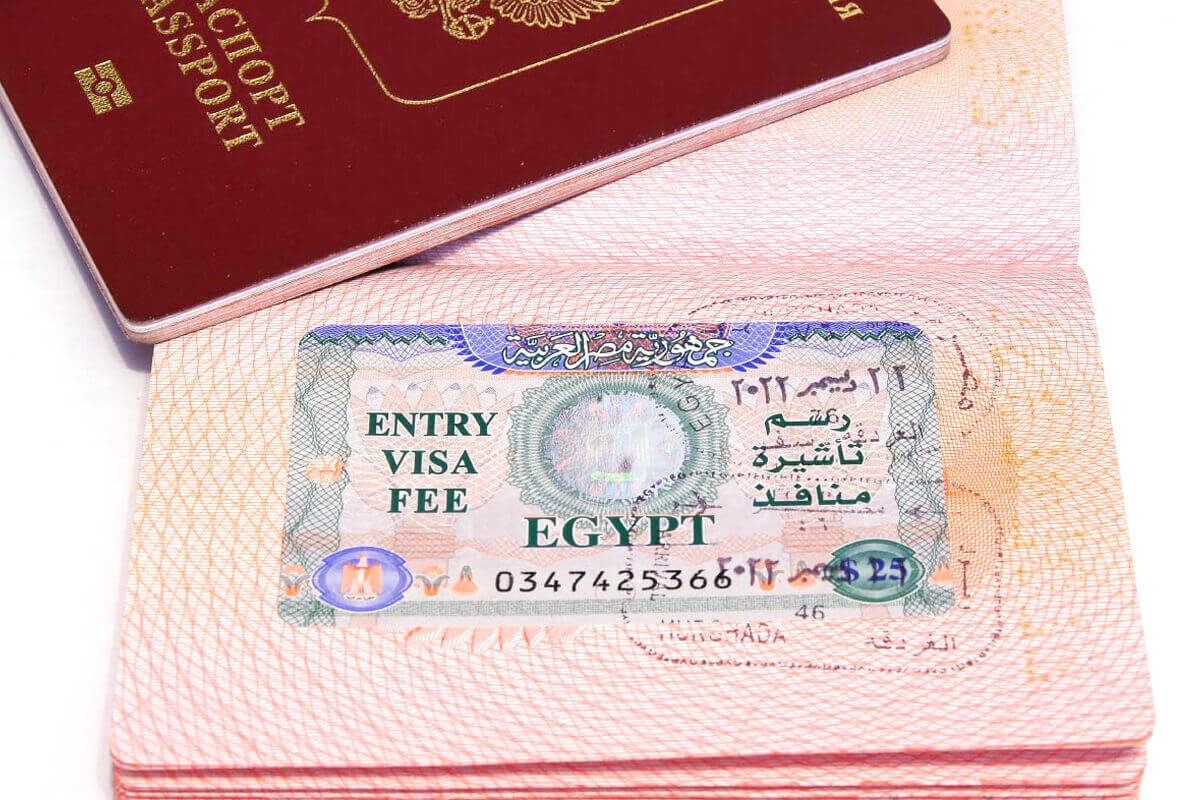
Travelers from around the world are increasingly planning trips to Egypt to experience its ancient history, vibrant culture, and fascinating landscapes. Whether you are dreaming of seeing the Great Pyramids of Giza, cruising the Nile, or exploring the temples of Luxor, the first step in your travel planning is understanding how to get your Egypt Visa. Two main options are available for most international visitors: Egypt Visa on Arrival and Egypt eVisa.
In this complete guide, we compare these two methods side by side to help you make an informed decision. We break down eligibility, costs, processing times, application steps, common pitfalls, and useful travel tips. By the end, you will know which option best fits your travel needs—and how to prepare your Egypt travel visa with confidence.
As you plan your journey, remember that Travel Connection Tours is here to support every part of your Egypt adventure with trusted guidance and tailored trip arrangements.
Egypt Visa Options
When planning a journey to Egypt, one of the most important steps is obtaining your Egypt Visa. A visa gives you legal permission to enter and stay in the country for tourism, business, or other valid purposes. For most travelers, the simplest options are Visa on Arrival and eVisa.
What Is an Egypt Visa?
An Egypt Visa is an official endorsement placed in your passport (or electronically linked to your passport in the case of an eVisa) that allows you to enter the Arab Republic of Egypt. Whether you choose the Visa on Arrival or eVisa route, the purpose remains the same: to ensure that you are legally permitted to travel and explore Egypt.
Why Is Understanding the Difference Important?
Although both the Visa on Arrival and eVisa let you enter Egypt, there are meaningful differences in how you apply, how long it takes, what documents you need, and what risks may arise. Getting this right can save time, money, and stress at checkpoints or airports.
Visa on Arrival
The Visa on Arrival is a popular option for travelers who decide on short notice or choose not to apply in advance. Eligible nationalities can obtain a visa directly at Egyptian international airports and major border crossings. Typically, travelers pay in cash and receive a physical visa sticker in their passport.
eVisa (Electronic Visa)
The Egypt eVisa is an electronic travel authorization that you apply for online before your trip. Once approved, the visa is issued electronically and linked to your passport number. This allows you to bypass queues and sometimes reduce wait times upon arrival.
Who Needs an Egypt Visa?
Most visitors, except citizens of certain countries with visa‑exemption agreements, must secure some form of Egypt Visa before entering. The most common categories are tourists and business travelers. A tourist Egypt Visa is intended for those visiting to see the sights, visit family or friends, or attend recreational events.
Choosing the Right Option
The choice between Visa on Arrival and eVisa depends on factors such as:
-
Your nationality and eligibility
-
How far in advance you want to plan
-
Time constraints at the airport
-
Your comfort with online applications versus paying in person
In short, if you prefer preparation and want to reduce wait time upon arrival, the Egypt eVisa is often more convenient. If you are flexible and arrive without a prior visa, Visa on Arrival can still be a straightforward choice for many nationalities. Throughout this article, we compare both options in detail to help you choose the best path forward for your travel plans.
As a trusted travel partner in Egypt, Travel Connection Tours recommends reviewing your specific requirements as early as possible. This enables a smoother entry process and lets you focus on enjoying your time in this unforgettable destination.
What Is the Egypt Visa on Arrival?
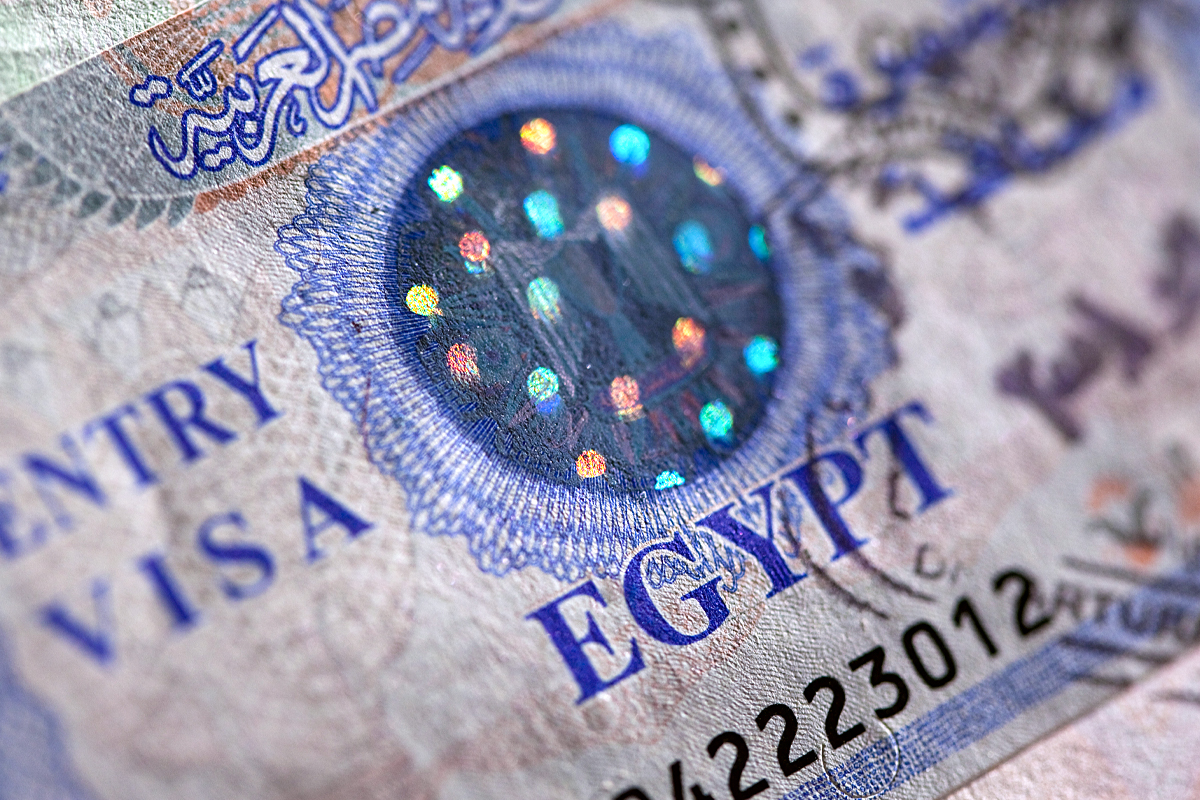
The Egypt Visa on Arrival is a visa that you receive upon landing at an Egyptian port of entry—usually an international airport or major land border crossing. This option is convenient for travelers who didn’t apply for a visa in advance or who prefer to handle entry clearance directly when they arrive.
How It Works
-
Arrival at the Port of Entry
Once you disembark from your flight or reach a land border, follow signs for immigration. -
Visa Payment
You pay the visa fee—often in U.S. dollars (USD) or euros (€), and sometimes in local currency (Egyptian Pound). -
Visa Issued in Your Passport
After payment, immigration officials issue a visa sticker that is placed directly in your passport. -
Proceed Through Immigration
With your visa stamped, you go through passport control to enter the country.
Countries Eligible for Visa on Arrival
Eligibility for Visa on Arrival differs depending on your nationality. Many European, North American, Latin American, and Asian passports allow visa issuance at arrival, but the list changes over time. Nationals of some countries may require a visa prior to departure.
Because visa policies evolve, always confirm the current requirements before traveling. Your travel consultant or agency like Travel Connection Tours can verify eligibility well in advance.
Visa Duration and Types
Most Visa on Arrival entries are short‑term tourist visas, typically valid for:
-
Single entry, 30 days
This is the most common option for tourists. -
Multiple entries
Available in select situations, such as frequent business travelers, though not common for tourist purposes.
Extensions may be possible through immigration offices in Egypt if you decide to stay longer.
Documents You Must Have
Before choosing Visa on Arrival, ensure you have:
-
A passport valid for at least six months beyond your travel date
-
A return or onward ticket
-
Proof of accommodation or itinerary
-
Sufficient funds for your stay
Some nationalities may be asked to present additional documents upon entry.
Pros and Cons
Pros
-
No advance application required
-
Can be convenient for spontaneous travel
-
Visa received directly at arrival
Cons
-
Queues and wait times at busy airports
-
Cash payment required in specific currencies
-
Potential delays if documentation is incomplete
-
Not available to all nationalities
In contrast to eVisa, Visa on Arrival should be chosen only after confirming eligibility and currency requirements for payment.
As with all aspects of travel planning, preparation is key. Travel Connection Tours can help verify eligibility and guide you through documentation, making sure your arrival in Egypt is smooth and stress‑free.
What Is the Egypt eVisa?
The Egypt eVisa is an electronic visa that travelers apply for online before their trip. Once approved, the visa is issued electronically and linked to your passport number. An eVisa eliminates the need to obtain a visa upon arrival and can make the entry process faster and more predictable.
How the eVisa Works
-
Online Application
You fill out a secure application form on the official Egyptian eVisa portal. -
Upload Documents
Upload passport details, a digital photo, and any supporting information required. -
Pay the Visa Fee Online
Use a credit or debit card accepted by the portal. -
Receive eVisa via Email
After approval, you download your eVisa and present it upon arrival.
Having an eVisa means immigration officers can verify your approval in the system, allowing you to proceed through a dedicated eVisa lane in some airports.
Who Can Apply for an eVisa?
Most travelers from eligible countries can apply for the eVisa. This includes many European, Asian, and American passport holders. As with the Visa on Arrival, some nationalities must still obtain a traditional visa in advance through a consulate or embassy.
Before applying, confirm that your nationality is eligible to use the eVisa route. Your passport should also:
-
Be valid at least six months beyond your planned entry date
-
Have blank pages for entry and exit stamps
Types of eVisas
Egypt generally offers:
-
Single‑entry eVisa — valid for tourism and short stays
-
Multiple‑entry eVisa — for travelers who plan to enter and exit multiple times (availability depends on nationality)
Each type has its own validity period and limits on stays.
Benefits of an eVisa
Convenience
You complete the entire process from home, weeks before departure—eliminating queues and stress upon arrival.
Lower Risk of Delay
Since the visa is pre‑approved, you reduce the chance of unexpected delays at immigration.
Ease of Payment
Online payment means no need to carry cash in foreign currency specifically for visa fees.
Things to Keep in Mind
-
Apply at least 7–10 days before travel to allow for processing time
-
Double‑check that your passport details match exactly on the eVisa
-
Print your eVisa and keep a digital copy accessible during travel
For travelers who appreciate careful planning and a smoother airport arrival experience, the eVisa is often the most efficient way to secure your Egypt Visa.
To further help with your choice between Visa on Arrival and eVisa, in the next section we will compare these two options side by side with helpful tables and practical guidance.
Egypt Visa on Arrival vs eVisa: Key Differences
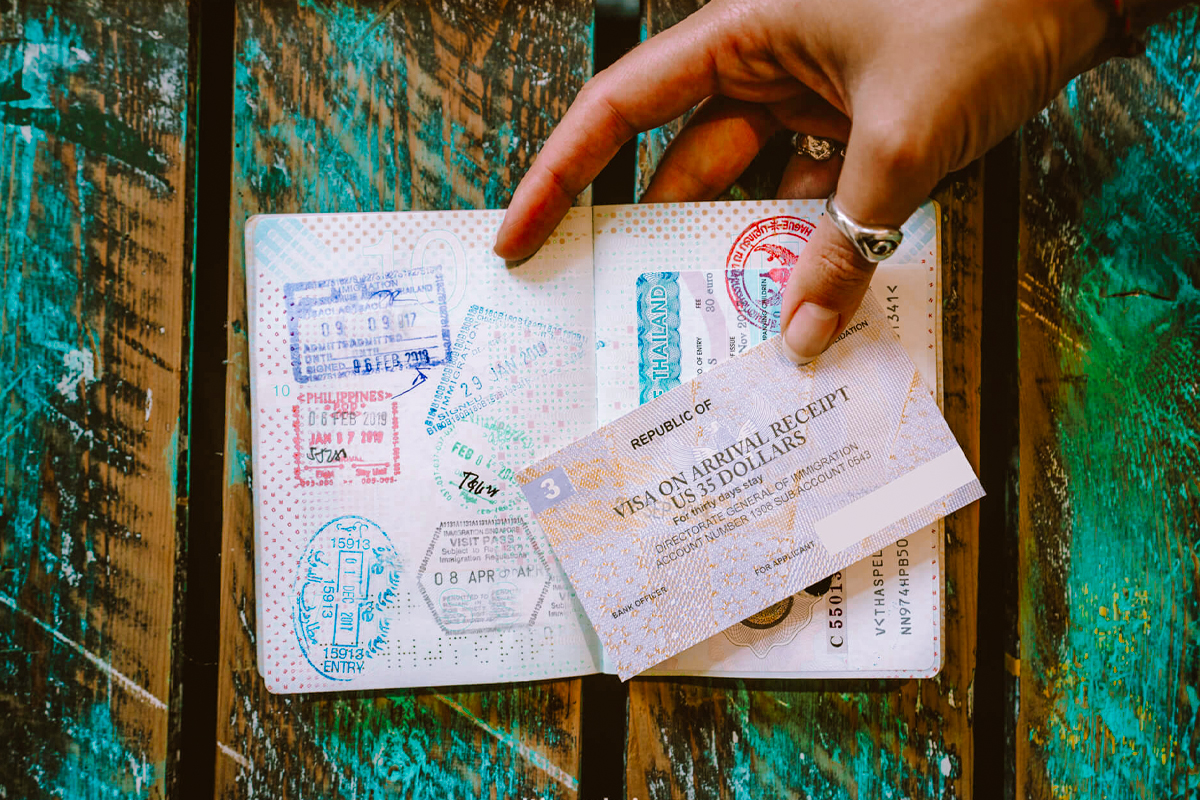
When planning your trip to Egypt, one of the most common questions travelers ask is: “Should I get an Egypt Visa on Arrival or an eVisa?” To make the best decision, it’s essential to compare both options across multiple factors: cost, processing time, convenience, eligibility, and risk. Below is a detailed comparison table that simplifies your choice.
| Feature | Visa on Arrival | eVisa |
|---|---|---|
| Application | At the airport or border | Online before travel |
| Processing Time | Immediate, but may involve waiting in queues | Typically 1–7 business days |
| Payment | Cash (USD, EUR, or EGP) | Online by credit/debit card |
| Convenience | Good for spontaneous travelers | Best for planned trips |
| Eligibility | Limited by nationality | Many eligible countries, check before applying |
| Validity | Usually 30 days single entry | Usually 30 days single entry; multi-entry available for some nationalities |
| Risk of Delay | Possible long lines or documentation issues | Minimal, pre-approved before arrival |
| Extension | Possible at immigration office | Possible at immigration office |
Understanding the Table
-
Application & Payment: eVisa allows you to pay online before departure, while Visa on Arrival requires cash payment at the port of entry. This is important for travelers who prefer financial planning and avoiding foreign currency handling.
-
Processing Time: Visa on Arrival is “instant” but subject to queues. The eVisa is pre-approved, usually in 1–7 business days, making your airport arrival faster.
-
Eligibility: Some nationalities may not be eligible for Visa on Arrival and must apply for an eVisa. Always verify eligibility online or with a travel agency like Travel Connection Tours.
-
Flexibility: For travelers who might change their travel plans last minute, Visa on Arrival offers convenience. For those with confirmed itineraries, eVisa is safer and more predictable.
Costs of Egypt Visa
Understanding costs is vital for planning your travel budget. Both Visa on Arrival and eVisa have standard fees, though they can vary slightly depending on your nationality or the payment method.
Visa on Arrival Fees
-
Single-entry, 30 days: USD 25
-
Multiple-entry (limited nationalities): USD 60–75
-
Payment: Must be in cash; some airports accept credit cards in limited cases.
-
Tip: Have exact cash in USD or EUR, as exchange at the airport may not be favorable.
eVisa Fees
-
Single-entry, 30 days: USD 25
-
Multiple-entry (select nationalities): USD 60–75
-
Payment: Online using debit/credit cards.
-
Tip: Applying through official channels is safer; third-party websites may charge higher fees.
Cost Comparison Table
| Feature | Visa on Arrival | eVisa |
|---|---|---|
| Single-entry 30 days | USD 25 | USD 25 |
| Multiple-entry | USD 60–75 | USD 60–75 |
| Payment method | Cash | Online card payment |
| Extra costs | Airport exchange, waiting time | None (if done online properly) |
Practical Tips
-
Bring Correct Cash: For Visa on Arrival, always bring the correct amount to avoid unnecessary stress.
-
Online Payment Security: For eVisa, only use the official Egyptian government portal to avoid fraud.
-
Travel Agency Assistance: Travel Connection Tours can help you handle both Visa on Arrival and eVisa applications, ensuring correct documentation and payment.
Processing Time and Entry Experience
Processing time and the experience at arrival can significantly influence your choice. Understanding what to expect helps travelers avoid stress.
Visa on Arrival
-
Processing Time: Typically takes 30–60 minutes, depending on airport traffic.
-
Steps at the Airport:
-
Fill out arrival form (if not pre-filled online).
-
Stand in visa queue for payment and stamping.
-
Proceed to immigration with passport and visa sticker.
-
-
Potential Delays: Crowded airports, incorrect documentation, or cash payment issues can slow the process.
eVisa
-
Processing Time: Usually 1–7 business days; some applications may take longer if additional documents are required.
-
Entry Experience: Present your pre-approved eVisa (printed or digital) to immigration.
-
Advantages: Minimal wait times, pre-verified entry, no cash payment needed, and smoother airport experience.
Traveler Tips
-
Peak Travel Seasons: During holidays, airports can be crowded. eVisa is advantageous because you can avoid long queues.
-
Document Readiness: Regardless of method, ensure your passport is valid for at least six months and matches all visa details.
-
Agency Support: Using Travel Connection Tours ensures all paperwork is correct, and you can have your visa processed ahead of time for a stress-free arrival.
How to Apply: Step-by-Step
Visa on Arrival Application
-
Check if your nationality is eligible.
-
Ensure your passport is valid for at least six months.
-
Bring a completed arrival form (available at airports).
-
Have USD/EUR cash ready (typically USD 25 for single-entry).
-
Go to the Visa on Arrival counter at the airport.
-
Pay the fee, receive the visa sticker, and proceed through immigration.
eVisa Application
-
Visit the official Egyptian eVisa portal.
-
Fill in personal details, passport information, and travel dates.
-
Upload a passport scan and a digital photo.
-
Pay the visa fee online via a secure card transaction.
-
Receive the approved eVisa by email, print a copy, and save a digital version.
-
Present the eVisa to immigration upon arrival in Egypt.
Pro Tip: Applying through a travel agency like Travel Connection Tours can simplify the eVisa process, especially for travelers who are unfamiliar with online visa applications or want guaranteed approval.
Common Mistakes and Issues Travelers Face
While obtaining an Egypt Visa may seem straightforward, many travelers encounter issues at arrival or during online application. Understanding these pitfalls helps ensure a smooth entry into Egypt.
Common Mistakes with Visa on Arrival
-
Incorrect Cash Payment
-
Many travelers arrive without the exact amount in USD or EUR. Some airports do not accept card payments, and currency exchange can be unfavorable.
-
Tip: Carry USD 25 for single-entry and USD 60–75 for multiple-entry visas.
-
-
Invalid Passport
-
Passport must be valid for at least six months. Travelers with shorter validity can be denied entry.
-
-
Incomplete Documentation
-
Immigration officers may request return tickets, hotel bookings, or proof of funds. Always carry these documents.
-
-
Peak Season Delays
-
During holidays or major events, visa queues can be long. If you are traveling during Christmas, Easter, or summer holidays, plan extra time.
-
Common Mistakes with eVisa
-
Incorrect Information
-
Errors in passport numbers, spelling of names, or travel dates can result in visa rejection.
-
-
Late Application
-
Applying too close to departure can lead to delays. Apply at least 7–10 days before travel.
-
-
Using Third-Party Services
-
Avoid unofficial websites; fees are higher and approval may be delayed or rejected.
-
-
Not Printing a Copy
-
Always have a printed and digital copy of your eVisa, even if the airline allows electronic presentation.
-
By avoiding these mistakes and double-checking your documentation, your Egypt Visa process can be stress-free. For added assurance, Travel Connection Tours assists travelers with both Visa on Arrival and eVisa to prevent common pitfalls.
Visa Extensions and Validity
Once you arrive in Egypt, understanding visa validity and extension options is crucial if you plan to stay longer than your initial period.
Standard Validity
-
Single-entry, 30 days: Most tourist visas, both on arrival and eVisa, are valid for 30 days from the date of entry.
-
Multiple-entry: Available for certain nationalities, generally valid for 90 days with stays limited per visit.
Extending Your Visa
If you want to stay longer:
-
Where to Extend:
-
Extensions are processed at local Egyptian immigration offices.
-
Cairo and Alexandria have offices dedicated to visa services.
-
-
Required Documents:
-
Passport with current visa
-
Completed extension application form
-
Payment for the additional visa period
-
-
Processing Time and Fees:
-
Typically 1–3 days
-
Fees depend on the extension duration, generally $25–$50
-
-
Travel Connection Tours Tip:
-
We can guide you through the process, handle forms, and even arrange payments to ensure a hassle-free extension.
-
Important: Overstaying without an extension can result in fines or complications for future travel. Plan ahead if your Egypt itinerary may exceed 30 days.
Country-Specific Visa Guidance
Travelers’ requirements differ by nationality. Here are tips for some of the most common nationalities visiting Egypt:
USA Travelers
-
Eligible for Visa on Arrival or eVisa.
-
Single-entry valid for 30 days.
-
Best option: eVisa to avoid long airport queues.
UK Travelers
-
Eligible for both Visa on Arrival and eVisa.
-
Single-entry for 30 days, multiple-entry for select cases.
-
Online eVisa is usually faster, especially during peak season.
Indian Travelers
-
Eligible for eVisa and Visa on Arrival.
-
Ensure your passport has at least six months validity.
-
Some airports may ask for confirmed accommodation details.
UAE Travelers
-
Short-term UAE residents may also require an Egypt Visa.
-
eVisa is recommended for convenience; Visa on Arrival is available for eligible passports.
Pro Tip: Regardless of nationality, Travel Connection Tours ensures your documents, application, and visa type are correct, preventing last-minute airport stress.
Travel Tips for a Smooth Egypt Trip
Securing your Egypt Visa is just the beginning. Following travel best practices ensures an enjoyable experience:
Before You Travel
-
Check Validity: Passport must be valid six months beyond entry date.
-
Print Documentation: Carry visa copies, flight tickets, hotel reservations, and emergency contacts.
-
Currency: Keep small USD or EUR bills for Visa on Arrival.
At Arrival
-
Follow Signs: Airports have clear signage for visa counters and immigration.
-
Stay Patient: Queues can be long; keep documents ready.
-
Use Airport Assistance: Immigration staff can help with forms and clarification.
While in Egypt
-
Respect Local Laws: Egypt has strict regulations regarding photography, dress codes, and public behavior.
-
Keep Visa Copy Safe: Always carry a copy while exploring, in case requested by authorities.
-
Plan Ahead for Extensions: If staying longer, start extension procedures at least a few days before your visa expires.
Travel Connection Tours can provide itinerary planning, airport transfers, and local guidance to ensure your trip is seamless and enjoyable.
Why Choose Travel Connection Tours?
Your Egypt adventure deserves professional guidance. Here’s why Travel Connection Tours is the best choice:
-
Expertise in Visa Services: We assist travelers in obtaining both Visa on Arrival and eVisa with no errors.
-
Tailored Travel Plans: Customized itineraries based on your interests, from Pyramids tours to Nile cruises.
-
Smooth Airport Experience: Guidance from arrival to hotel transfer reduces stress.
-
Reliable Support: Assistance with extensions, documentation, and local regulations.
-
Trustworthy Reputation: Years of experience making travelers’ trips safe, convenient, and memorable.
By choosing us, your Egypt Visa and travel experience are fully supported, letting you focus on enjoying the wonders of Egypt.
Final Recommendations
-
Plan Early: Decide between Visa on Arrival or eVisa well before travel.
-
Verify Eligibility: Check nationality-specific rules to prevent entry issues.
-
Use Official Channels: Apply for eVisa via official portals or trusted agencies like Travel Connection Tours.
-
Prepare Documentation: Passport, tickets, accommodation proof, and cash or card for payment.
-
Consider Travel Agency Support: Professional guidance reduces stress, avoids mistakes, and ensures smooth entry and travel in Egypt.
Whether you choose Visa on Arrival for spontaneity or eVisa for convenience, careful preparation ensures a hassle-free entry. Combine this with professional support from Travel Connection Tours for a truly seamless Egypt adventure.