Giza Travel Itinerary planning is often the first and most exciting step for travelers coming to Egypt. Giza is not just a place you visit for a few hours; it is a destination that connects ancient history, daily Egyptian life, culture, food, and unforgettable landscapes in one location. As a traveler reading this guide, you are probably looking for a clear, practical, and enjoyable plan that helps you experience Giza without stress, confusion, or wasted time. This article is written exactly for that purpose.
Whether you are visiting Egypt for the first time or returning for a deeper experience, a well-organized Giza travel itinerary helps you make the most of every moment. Giza is suitable for all travelers: solo travelers, couples, families, seniors, and adventure seekers. The key is understanding how to structure your visit, what to see, when to go, and how to move comfortably between attractions.
This guide is written from the perspective of a traveler who wants clarity, balance, and value. You will not find exaggerated promises or vague descriptions. Instead, you will find practical insights, realistic timing, and thoughtful recommendations that help you enjoy Giza at your own pace. Throughout this itinerary, you will also learn how Travel Connection Tours, one of the most trusted travel agencies in Egypt, can help turn your plan into a smooth and enjoyable experience.
Day One: Exploring the Giza Pyramids and the Giza Plateau
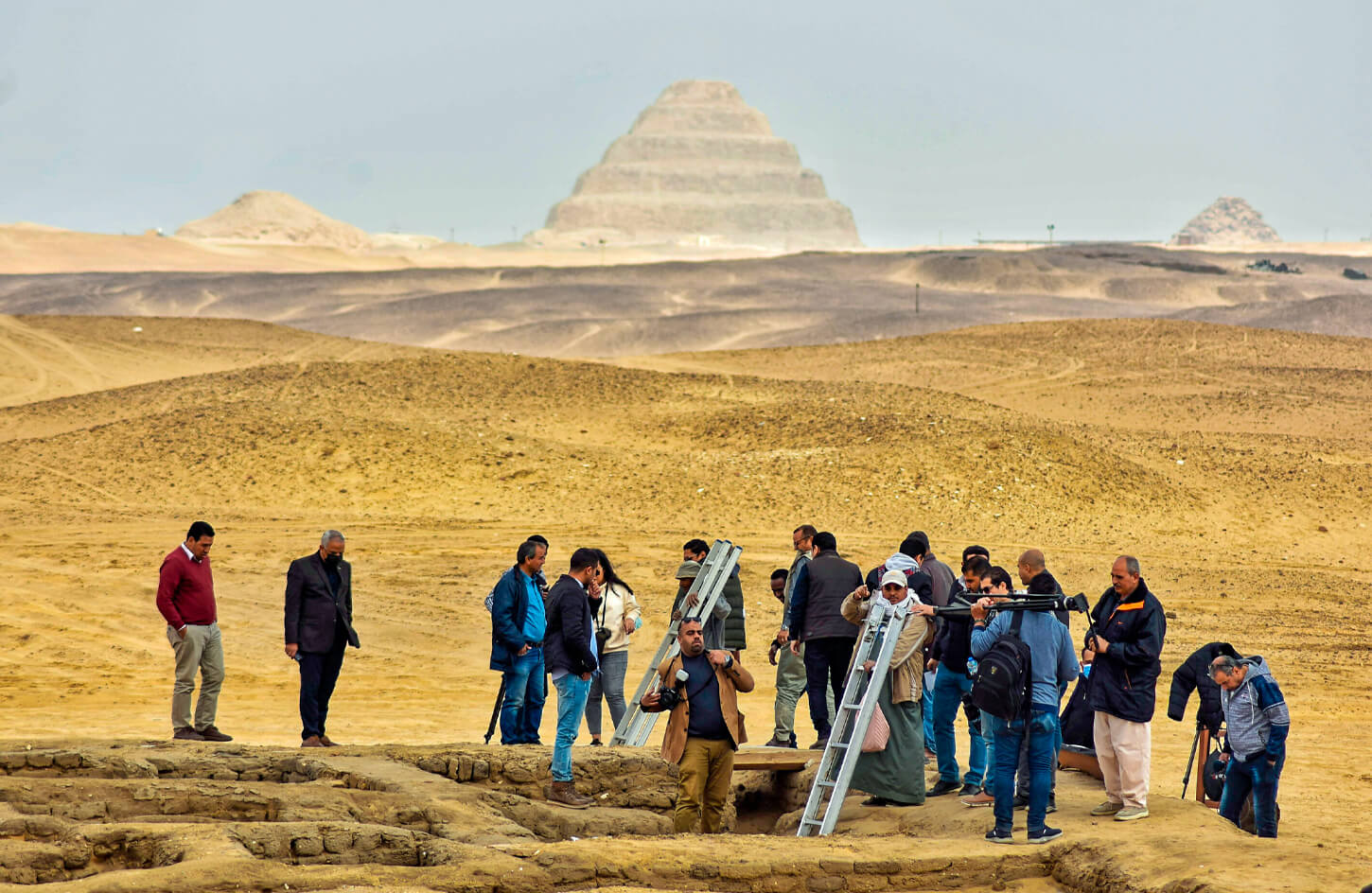
A proper Giza Travel Itinerary always begins at the Giza Plateau. This area is home to the most famous ancient structures in Egypt and one of the most important archaeological sites in the world. Arriving early in the morning is highly recommended, as temperatures are cooler and crowds are smaller.
Start your day with the Great Pyramid of Khufu, the largest and oldest of the three main pyramids. Standing in front of it gives you a real sense of scale that photos cannot capture. Nearby, you will also see the Pyramid of Khafre and the Pyramid of Menkaure, each with its own historical importance and architectural details. Walking between these monuments allows you to appreciate how the entire plateau was carefully planned thousands of years ago.
A guided visit can make a major difference here. Understanding why the pyramids were built, how they were constructed, and what role they played in ancient Egyptian beliefs adds depth to your visit. Many travelers choose Travel Connection Tours for this experience because of their knowledgeable guides and well-organized schedules, which help avoid unnecessary waiting or confusion.
After exploring the pyramids, take time to visit the panoramic viewpoint. This spot offers a wide-angle view of all three pyramids together, making it ideal for photos and quiet reflection. Camel and horse rides are available for those who want a traditional desert experience, though it is always best to arrange these through a reliable agency to ensure comfort and fair pricing.
By late morning, you will have spent several hours walking and exploring. At this point, it is wise to take a break for lunch at a nearby restaurant with pyramid views before continuing your itinerary.
Day One Continued: The Great Sphinx and Ancient Temples
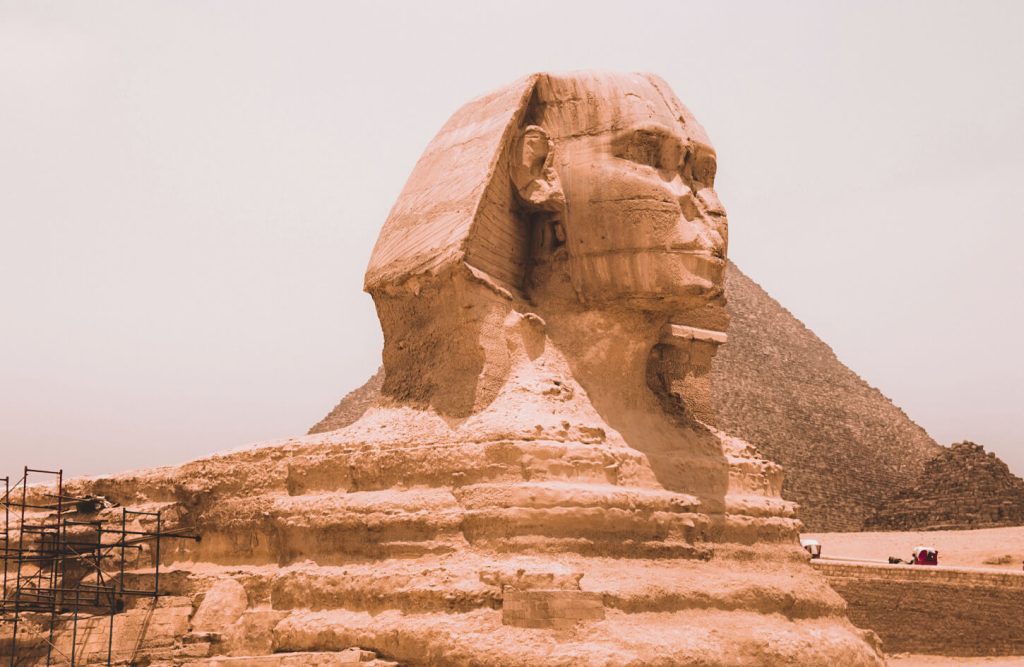
No Giza Travel Itinerary is complete without a visit to the Great Sphinx of Giza. Located near the Pyramid of Khafre, the Sphinx is one of the most recognizable monuments in Egypt. With the body of a lion and the head of a pharaoh, it has stood guard over the plateau for centuries.
Take time to walk around the Sphinx area and observe it from different angles. Many travelers are surprised by its size and the details still visible despite its age. Nearby, you will find the Valley Temple, where rituals related to mummification and royal ceremonies once took place. These temples help complete the story of how the pyramids functioned as part of a larger spiritual complex.
This part of the visit is often less crowded than the pyramid entrances, allowing for a calmer experience. A professional guide can explain the symbolism and historical debates surrounding the Sphinx, including theories about its age and original appearance.
As the afternoon approaches, the heat increases, making it a good time to slow down. Some travelers choose to return to their hotel at this stage, while others enjoy a relaxed coffee break with views of the plateau. Travel Connection Tours often arranges comfortable transportation and flexible schedules, which is especially helpful for families or senior travelers.
If you still have energy, consider visiting a local bazaar area nearby to observe daily life around Giza. This gives you a contrast between ancient monuments and modern Egyptian culture, which adds richness to your itinerary.
Day Two: Museums, Culture, and Local Life in Giza
While many visitors focus only on the pyramids, a well-planned Giza Travel Itinerary includes cultural and educational experiences beyond the plateau. Day two is ideal for museums and local exploration.
Start your morning with the Grand Egyptian Museum (GEM), located close to the Giza Plateau. This modern museum houses thousands of artifacts, including statues, tools, jewelry, and items from daily life in ancient Egypt. The layout is spacious and designed to help visitors understand the historical timeline clearly.
Spending several hours here allows you to see objects that connect directly to what you explored at the pyramids the previous day. This creates a more complete understanding of ancient Egyptian civilization. Travelers often appreciate visiting the museum after the pyramids, as it answers many questions that arise during the first day.
After the museum, enjoy lunch at a local restaurant serving traditional Egyptian food. Dishes such as grilled meats, rice, vegetables, and fresh bread offer a satisfying and authentic experience.
In the afternoon, explore residential areas of Giza to see how locals live today. Walking through neighborhoods, small shops, and markets gives you a grounded perspective that many travelers value. This part of the itinerary is especially meaningful for travelers who want more than just famous landmarks.
Organizing this day with Travel Connection Tours ensures smooth transportation between locations and access to guides who understand both history and modern culture. Their itineraries balance structure with flexibility, allowing travelers to enjoy each experience without feeling rushed.
Day Three: Cairo Connection and Nile Experiences
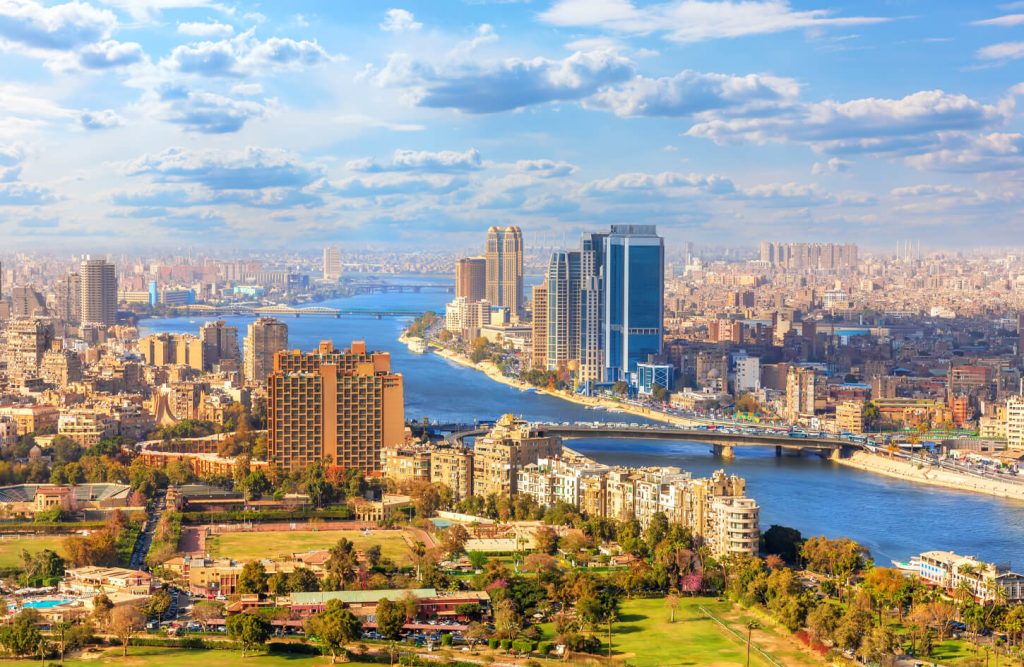
A complete Giza Travel Itinerary naturally connects with Cairo, as the two areas are closely linked. On day three, many travelers choose to expand their journey beyond Giza while keeping it as their base.
Begin with a visit to historic Cairo, including areas such as Islamic Cairo or Coptic Cairo, depending on your interests. These districts showcase different periods of Egyptian history, from medieval mosques to early Christian churches. Walking through narrow streets and historic buildings offers a strong cultural contrast to the wide-open desert landscape of Giza.
Later in the day, return closer to Giza for a Nile River experience. A short Nile cruise or felucca ride provides relaxation after busy sightseeing days. Watching the river flow while observing city life along the banks is a peaceful way to end the day.
Dinner can be enjoyed at a restaurant overlooking the Nile or with views of the illuminated pyramids in the evening. Seeing the pyramids lit up at night offers a different atmosphere and is often a highlight for travelers.
Travel Connection Tours is well-known for combining Giza and Cairo experiences into seamless itineraries. Their local expertise helps travelers avoid traffic stress and choose the best timing for each activity.
Practical Tips for a Smooth Giza Travel Itinerary
Planning a Giza Travel Itinerary becomes much easier when you understand a few practical details. First, choose the right season. The best time to visit Giza is from October to April, when temperatures are milder and walking is more comfortable.
Wear comfortable clothing and walking shoes, as most attractions involve uneven ground. Sun protection, including hats and sunscreen, is essential, especially during midday hours.
Photography is allowed in most areas, but some museums or interior spaces may require additional tickets. Always check in advance or rely on a guide to handle these details.
Transportation is another important factor. Traffic around Giza and Cairo can be challenging for visitors. Booking your itinerary with a trusted company like Travel Connection Tours ensures reliable vehicles, experienced drivers, and realistic timing between stops.
Finally, stay flexible. While having a plan is important, allowing time for rest, unexpected discoveries, or personal interests makes your trip more enjoyable. A good itinerary guides you without limiting your experience.
Why Travel Connection Tours Is the Best Choice for Your Giza Travel Itinerary
Choosing the right travel agency plays a major role in the success of your Giza Travel Itinerary. Travel Connection Tours stands out as one of the best travel agencies in Egypt due to their deep local knowledge, professional guides, and traveler-focused approach.
They understand that every traveler is different. Some want detailed historical explanations, while others prefer a relaxed pace with more free time. Their itineraries are designed to meet these different needs without compromising quality or comfort.
Travel Connection Tours also prioritizes clear communication, honest pricing, and reliable service. This creates trust and peace of mind, especially for travelers visiting Egypt for the first time.
By choosing a well-organized itinerary with a reputable agency, you can focus on enjoying Giza rather than managing logistics. This is what transforms a simple visit into a meaningful travel experience.