Easter Traditions in Egypt are among the most distinctive cultural experiences a traveler can witness, blending ancient history, deep-rooted religious practices, and joyful spring celebrations. For visitors exploring Egypt during this season, Easter is not just a religious holiday; it is a living story that reflects the country’s identity, diversity, and timeless connection between past and present. This guide is written for all travelers who want to understand, experience, and enjoy Easter in Egypt in a meaningful way.
Easter Traditions in Egypt: A Unique Cultural Experience
Easter Traditions in Egypt stand out because they are shaped by both Christian and ancient Egyptian heritage. The celebration is mainly observed by Coptic Christians, one of the oldest Christian communities in the world. Their traditions date back nearly two thousand years and are deeply connected to Egyptian history. For travelers, this means Easter in Egypt feels authentic, spiritual, and culturally rich rather than commercial.
Unlike many destinations where Easter lasts only one day, the season in Egypt extends over several weeks. It begins with Great Lent, a 55-day period of fasting, reflection, and spiritual preparation. This long buildup gives visitors a chance to witness daily life shaped by faith, patience, and community values. Churches, streets, and homes reflect a calm and respectful atmosphere that many travelers find inspiring.
What makes Easter Traditions in Egypt especially interesting is how seamlessly they blend with daily Egyptian life. You may see families shopping for Easter foods, bakeries preparing traditional treats, and churches welcoming worshippers throughout the week. Travelers who enjoy cultural immersion often describe Easter in Egypt as a rare opportunity to see faith practiced naturally, without exaggeration or performance.
For travelers seeking more than sightseeing, Easter offers a deeper connection with Egyptian society. Whether you are visiting Cairo, Alexandria, or Upper Egypt, Easter Traditions in Egypt provide insight into how history, religion, and community coexist in everyday life.
The Religious Roots of Easter in Egypt
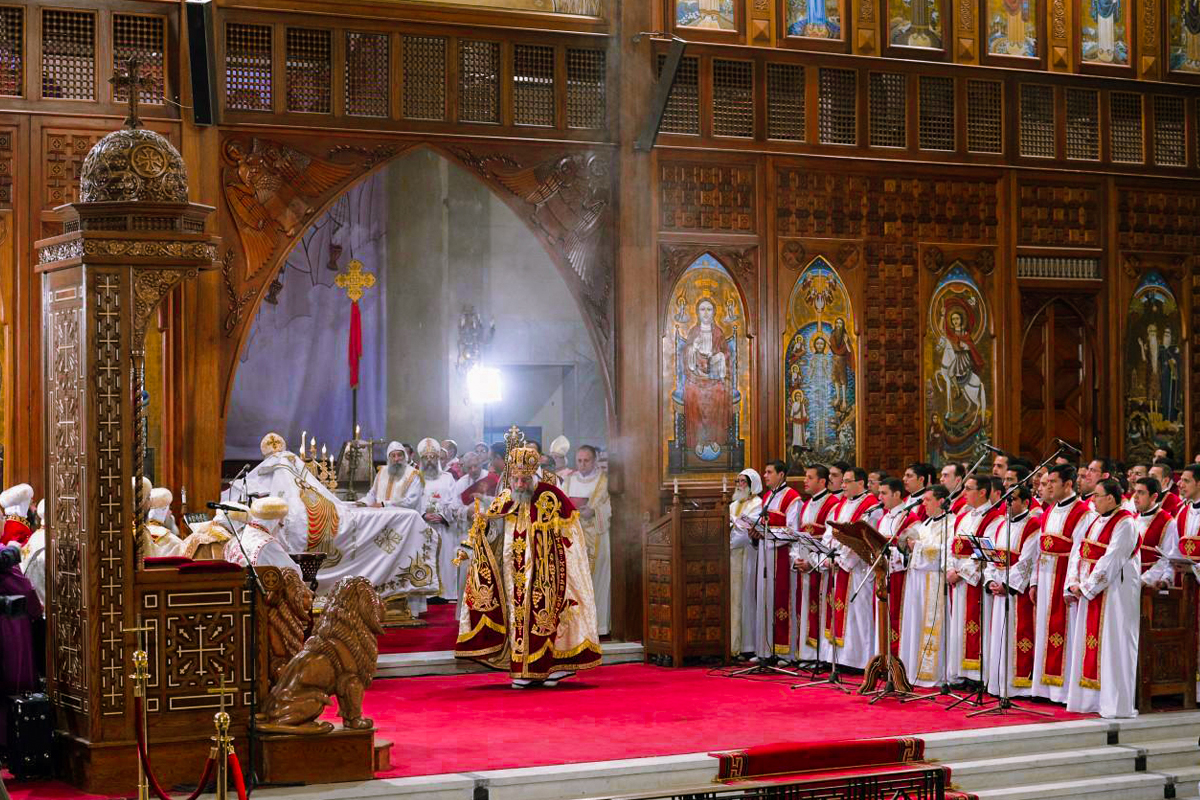
The religious foundation of Easter Traditions in Egypt lies in the Coptic Orthodox Church, which follows its own calendar and traditions. Easter usually falls later than Western Easter, often aligning with springtime and agricultural renewal. This timing adds symbolic meaning, connecting resurrection with new life and growth.
Holy Week is the most important period leading up to Easter Sunday. Each day has special prayers, readings, and rituals held in churches across Egypt. Travelers visiting during this time can attend services that are open to the public, even if they are not Christian. The atmosphere is quiet, respectful, and emotionally powerful, especially during Good Friday services.
One important aspect of Easter Traditions in Egypt is the use of ancient Coptic language alongside Arabic during prayers. This linguistic continuity links modern worship to early Christianity in Egypt. For travelers interested in history, attending a service feels like stepping into a living museum where faith has been preserved for centuries.
Easter Sunday itself marks the end of fasting and the beginning of celebration. Churches are filled with light, joyful hymns, and families gather to share meals after weeks of abstinence. Witnessing this moment allows travelers to understand how deeply Easter Traditions in Egypt are woven into spiritual life, not just as an event but as a meaningful journey.
Sham El-Nessim and Ancient Egyptian Influences
One of the most fascinating aspects of Easter Traditions in Egypt is Sham El-Nessim, a national spring festival celebrated by all Egyptians, regardless of religion. This holiday dates back to ancient Egypt and was originally linked to the agricultural calendar and the renewal of life. Today, it follows Easter and extends the festive spirit beyond religious boundaries.
During Sham El-Nessim, families head outdoors to parks, gardens, the Nile River, and coastal areas. Picnics, fresh air, and shared meals are central to the celebration. Travelers will notice a joyful atmosphere across cities, with colorful decorations and a sense of collective happiness.
Traditional foods play a major role during Sham El-Nessim. Salted fish, green onions, lettuce, and boiled eggs are commonly eaten. Each item has symbolic meaning tied to life, protection, and renewal. For travelers, tasting these foods is a direct way to connect with ancient traditions that have survived thousands of years.
What makes Sham El-Nessim special for visitors is its inclusivity. Unlike many religious holidays, everyone participates. This gives travelers a chance to experience Easter Traditions in Egypt on a national level, blending ancient customs with modern Egyptian life in a way that feels welcoming and genuine.
Traditional Easter Foods in Egypt
Food is a key element of Easter Traditions in Egypt, reflecting both spiritual discipline and celebration. After weeks of fasting, Easter meals are prepared with care and shared with family and friends. Travelers who enjoy culinary experiences will find Easter in Egypt particularly rewarding.
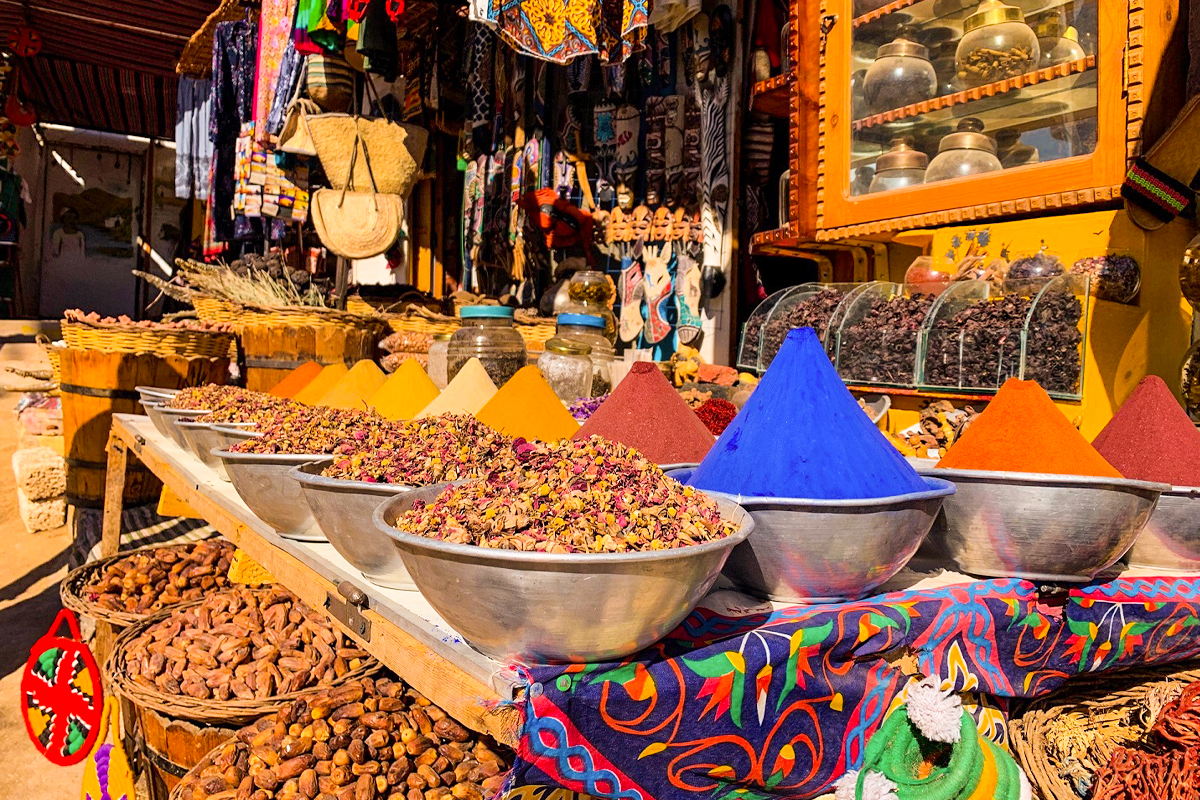
One of the most common Easter foods is kahk, a type of sweet biscuit filled with dates or nuts and dusted with powdered sugar. These treats are prepared in homes and bakeries, filling neighborhoods with a warm, inviting aroma. Visitors can easily find kahk in local markets and enjoy them with tea or coffee.
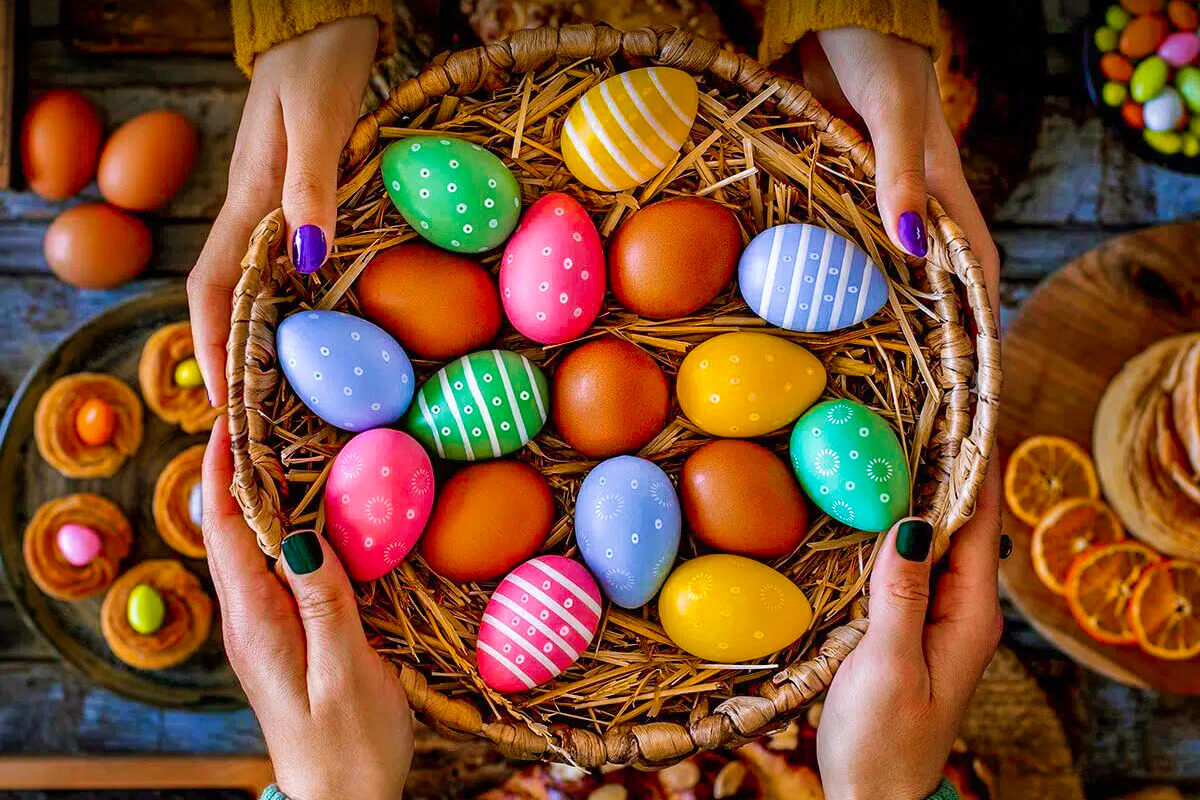
Boiled eggs are another important symbol during Easter Traditions in Egypt. They represent new life and resurrection. Many families decorate eggs with natural dyes or simple designs, a practice that dates back to early Christian traditions in Egypt. Travelers often enjoy participating in this simple yet meaningful activity.
Fish, especially salted fish, is closely associated with Sham El-Nessim. While its strong flavor may be new to some travelers, it is an essential part of the cultural experience. Trying traditional Easter foods allows visitors to understand how history, faith, and daily life come together at the table in Egypt.
Easter Celebrations Across Egyptian Cities
Easter Traditions in Egypt vary slightly from one region to another, offering travelers diverse experiences depending on where they visit. In Cairo, large churches such as the Hanging Church and Saint Mark’s Cathedral host major Easter services attended by thousands. The city’s historic districts provide a powerful backdrop for spiritual celebrations.
Alexandria offers a coastal atmosphere during Easter, with churches overlooking the Mediterranean Sea. Many travelers combine Easter celebrations with seaside relaxation, enjoying a balance between culture and leisure. Sham El-Nessim is especially popular along the Corniche, where families gather for outdoor activities.
In Upper Egypt, cities like Luxor and Aswan celebrate Easter in a quieter, more traditional way. The slower pace allows travelers to observe local customs closely and interact with communities that maintain strong cultural continuity. Visiting monasteries in these regions adds a spiritual dimension to the journey.
Each destination adds its own flavor to Easter Traditions in Egypt, making it possible for travelers to tailor their experience based on interest, pace, and cultural curiosity.
Easter Traditions in Egypt for Travelers
For travelers, Easter Traditions in Egypt offer more than observation; they provide participation opportunities that feel respectful and enriching. Attending church services, joining Sham El-Nessim picnics, and exploring historic Christian sites allow visitors to engage deeply with local culture.
Timing is important. Easter season is also a pleasant period weather-wise, making it ideal for sightseeing. Travelers can combine cultural experiences with visits to ancient temples, museums, and Nile cruises. This balance makes Easter one of the most rewarding times to visit Egypt.
Respect for local customs is essential. Dressing modestly when visiting churches, being mindful during religious services, and asking permission before taking photos help travelers enjoy Easter Traditions in Egypt in a thoughtful way.
For those who want a smooth and well-organized experience, planning with a professional travel agency makes a clear difference.
Why Travel Connection Tours Is the Best Choice for Easter Trips
When exploring Easter Traditions in Egypt, choosing the right travel partner ensures comfort, understanding, and authentic experiences. Travel Connection Tours stands out as the best travel agency in Egypt for organizing Easter trips tailored to all travelers.
With deep knowledge of Egyptian culture, history, and seasonal events, Travel Connection Tours designs itineraries that align perfectly with Easter celebrations. From church visits and cultural tours to Sham El-Nessim outings and relaxing Nile cruises, every detail is carefully planned.
The agency understands what travelers look for: reliability, cultural insight, and meaningful experiences. Their local expertise allows visitors to access places and moments that are often missed by standard tours. For Easter Traditions in Egypt, this level of organization transforms a holiday into a memorable cultural journey.
Whether you are visiting Egypt for the first time or returning for a deeper experience, Travel Connection Tours ensures your Easter trip is informative, enjoyable, and truly connected to the heart of Egypt.
Final Thoughts on Easter Traditions in Egypt
Easter Traditions in Egypt offer travelers a rare combination of faith, history, and community celebration. From ancient rituals to modern family gatherings, Easter reflects the soul of Egypt in a way few other events can. For all travelers, this season provides insight, enjoyment, and cultural connection that lasts long after the trip ends.
Experiencing Easter in Egypt is not just about being present; it is about understanding, sharing, and appreciating a tradition that has endured for centuries. With the right planning and guidance, especially through Travel Connection Tours, Easter becomes one of the most meaningful times to explore Egypt.